When you're aiming to purchase a classic automobile, understanding exactly how to examine it is vital. You'll wish to begin by analyzing the body and framework for indications of corrosion or imbalance, which can mean previous accidents. Next, the engine deserves your interest for any leaks or strange sounds. Yet that's just the start-- there's even more to think about that can impact your purchase decision significantly. Allow's discover what you ought to truly focus on.
What to Search for in the Body and Framework
When you examine a classic car, pay close attention to the body and frame, as these elements are crucial to the automobile's total condition.
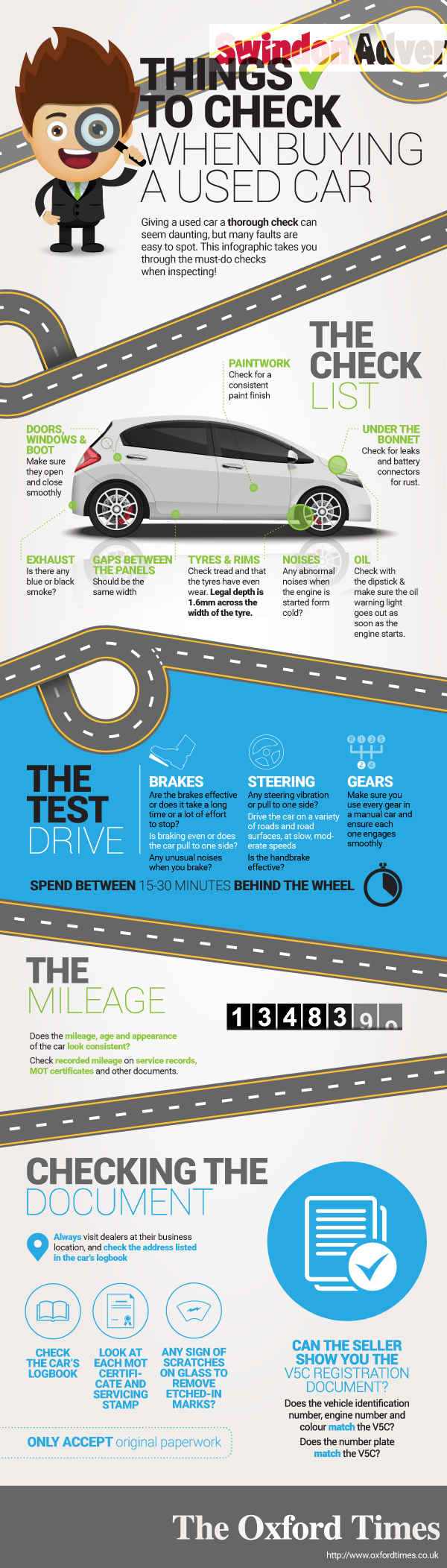
Search for rust places, damages, and scrapes, which can indicate deeper concerns. A straight body line recommends a well-maintained vehicle, while misaligned panels could signify previous accidents.
Inspect the framework for any kind of indicators of damage or deterioration; a jeopardized structure can be costly to fix.
Do not forget to analyze the undercarriage for rust or structural weak points. When possible, utilize a magnet to identify areas that may have been fixed with body filler.
Lastly, evaluate the paint for uniformity; variations can indicate poor fixings or repainting, influencing the car's value.
Just how to Check the Engine and Mechanical Elements
After examining the body and framework, turn your attention to the engine and mechanical elements.
Start by examining the engine for leakages, corrosion, or unusual sounds when it runs. Try to find signs of oil leaks around seals and gaskets. Examine the belts and pipes for wear; they must be versatile and free of fractures.
Check out the coolant and oil degrees, guaranteeing they're clean and at proper degrees. Do not fail to remember to evaluate the battery; look for corrosion and guarantee it holds a cost.
Examine the brakes and suspension by taking the auto for a short drive, paying attention for any kind of strange noises.
Finally, examine the exhaust system for rust or damage, as this can be expensive to fix.
Evaluating the Exterior And Interior Condition
Start by checking out the interior and exterior problem of the classic car, as this can reveal a lot about its maintenance history.
Search for corrosion, damages, or paint variances on the outside; these problems can show poor maintenance. Inspect the seals around windows and doors for any kind of indications of wear, which might result in water damage.
Inside, examine the furniture for rips, stains, or fading. Test all controls and features-- like the lights, radio, and air conditioning-- to ensure they operate effectively.
Do not forget to assess the dashboard for cracks or indicators of age. Taking these steps will provide you a clearer photo of exactly how the auto was treated throughout the years, helping you make an extra educated decision.
Conclusion
In conclusion, taking the time to completely inspect a vintage car prior to getting can save you from unexpected repair work and headaches later on. Focus on the body and frame, examine the engine and mechanical components, and examine the exterior and interior condition. https://milowpibt.qodsblog.com/42492106/complete-guide-to-buying-financing-and-keeping-cars-from-a-classic-automobile-dealership ensures you're making a wise financial investment in a classic automobile that'll not only turn heads however also give a satisfying experience for several years to come. Pleased best classic car for daily driver hunting!